A little wriggle. A tiny kick. One more outfit change before you leave. In a moment like that, even the way a garment fastens can change how the routine feels.
Magnetic baby clothes do not remove the need to position the fabric, check the fit or follow the garment’s instructions. What they change is the fastening action: instead of threading buttons through buttonholes or pressing a row of studs one by one, you bring the corresponding magnetic points together and their attraction helps them connect.
What actually changes in the fastening step?
On a magnetic opening, the closure points are built into corresponding positions on the garment. Bring the two sides close together, guide the matching points into place and check that the opening is properly closed.
That is the practical difference. You are still dressing your baby with care, and you may use both hands whenever you need them. There is no need to promise a stopwatch result or an effortless one-handed change: the useful benefit is simply a different, more direct fastening motion.
Why can that small change feel simpler?
- No row of press studs to secure one pair at a time. The main motion is bringing the corresponding sides of the opening together.
- No buttons to work through buttonholes on that opening. This removes a small, repeated finger movement from the fastening step.
- A front opening is easy to follow visually. When the fastening line runs along the front, a caregiver can see where it begins and ends while arranging the fabric.
- The same explanation can be shared with different caregivers. Show them where the opening runs, bring matching points together, then check the closure and fit.
Those details may suit families who value a straightforward sequence during outfit changes. They are preferences, not a rule that every family must choose the same fastening.
Magnetic closures, zips, press studs and buttons
Each closure asks for a different hand movement:
- Magnetic closures: bring the corresponding fastening points together and guide them into place.
- Zips: start and move a slider along the zipper. YKK’s guide to zipper structure shows how the hand-moved slider brings the elements together.
- Press studs: align the matching parts and press each pair together.
- Buttons: guide each button through its buttonhole.
No closure is automatically best for every family. Think about the people who regularly dress your baby, the kind of opening they prefer and the instructions for the actual garment.
Look beyond the word “magnetic”
Before choosing any piece, look at the whole opening. Where does it begin and end? Can you see the garment both closed and open? Are instructions available for that exact design? Those answers matter more than the label alone.
Follow the maker’s use and care instructions for the finished garment. For concise precautions—including damaged fasteners and implanted medical devices—read our calm guide to magnetic baby-clothing safety.
Meet the detail behind Soso Snaps
Our Soso Snaps line uses hidden magnetic closures along the front of the garment. It is a small functional detail within our world of wearable stories: illustrated pieces with a fastening motion designed to feel straightforward.
We’re preparing our first collection. Explore the Soso Snaps designs, take a closer look at the details, and join our mailing list for first-collection news.
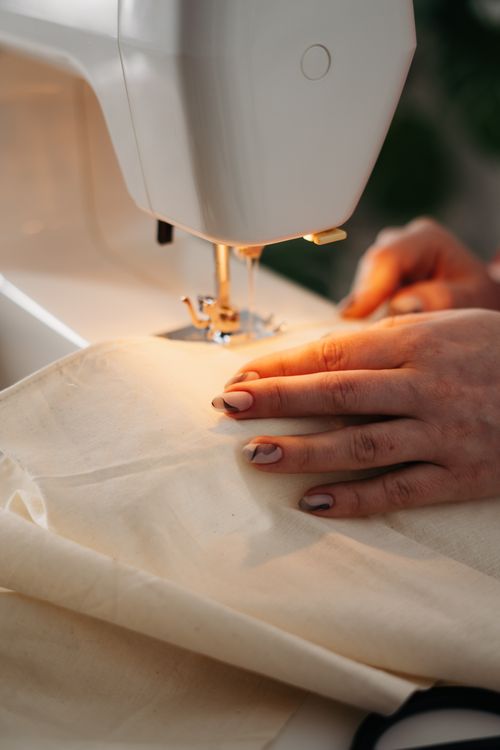
Editorial textile photograph: cottonbro studio / Pexels.